Individual Tree BNG Units for Sale
Our Individual Tree BNG units provide an off-site solution where additional tree habitat value is required.
Purchasing the required units helps fulfil your biodiversity net gain planning conditions and supports your application through the planning process.
Price from
£22,260
per biodiversity unit
Planning compliant
30 years
legally secured BNG delivery.
Purchase increments
0.01 units
flexible purchasing to meet your 10% BNG requirement.
Fast Turnaround
48 hours
Allocation Agreement issued within 48 hours of payment.
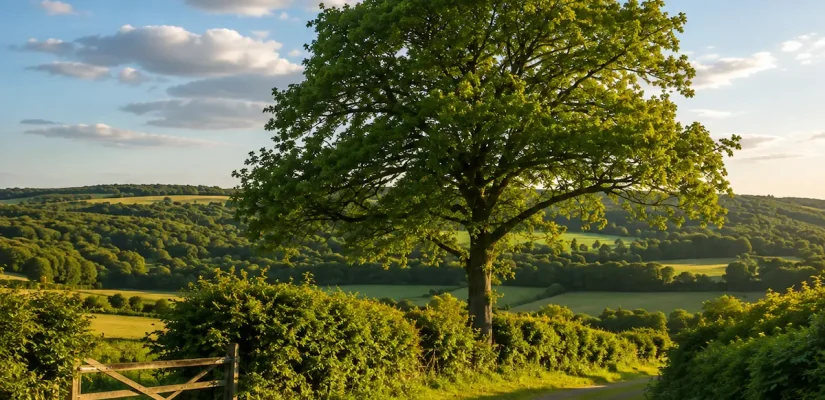
CURRENT AVAILABILITY AND PRICING
'Individual Tree' Units Available for Development Projects
Individual Tree BNG units are available from £22,260 per biodiversity unit.
Units can be purchased in increments of 0.01, based on the tree habitat requirement identified within the Biodiversity Metric. As individual trees are converted into area-based habitat units, the number of units required will not necessarily match the number of trees affected.
We review the relevant classification and calculation before confirming the available allocation and project-specific price.
Your BNG unit requirement can be priced within a 5 minuite conversation with one of highly trained Client Managers.
UNDERSTANDING THE REQUIREMENT
Why Does My BNG Assessment Require Individual Tree Units?
Individual Tree units may appear in your assessment where trees outside a woodland habitat are being removed or affected by the development. Within the Biodiversity Metric, these trees are treated as an area-based habitat rather than counted on a simple one-tree-for-one-tree basis.
Individual trees may stand within fields, public spaces, development sites, roadsides or other open areas. Their biodiversity value depends partly on their size and classification, together with their condition and location.
Even a single tree can support a wide range of wildlife. Its canopy, bark, flowers, fruit, cavities and surrounding root zone may provide feeding, shelter and nesting opportunities, while mature trees can take decades to replace fully.
The number of biodiversity units required will therefore not necessarily match the number of trees affected. The metric converts the tree resource into an area value and applies the relevant trading rules before identifying the off-site requirement.
1
Existing habitat is assessed
The metric records the habitat affected by the proposed development.
2
A shortfall is calculated
On-site measures are accounted for before any off-site requirement is confirmed.
3
Suitable units are allocated
The habitat, location and unit requirement are reviewed before purchase.
HABITAT ASSESSMENT
How Individual Tree Units are Assessed
Individual Tree units are used where trees sit outside woodland, such as within fields, parks, streets, development sites or other open land. In the Biodiversity Metric, their value is not calculated by simply counting how many trees are present.
Instead, each tree is converted into an estimated area of habitat using its size. The metric’s tree helper uses trunk diameter, measured at breast height, to place the tree within the appropriate size category. This is important because a mature tree offers far more habitat than a newly planted one, even though both would otherwise count as a single tree.
An ecologist also assesses the tree’s condition. Depending on the tree and how it is recorded, this may consider features such as:
• whether it is native or ecologically appropriate for the setting;
• the health and structure of the canopy;
• damage to the trunk, branches or roots;
• the amount of surrounding space available for natural growth;
• the presence of cavities, deadwood, cracks or loose bark;
• whether the tree forms part of a group, block or line;
• pressures from hard surfaces, soil compaction or unsuitable management.
These features help show the difference between a tree that merely survives within a site and one that provides useful, developing habitat for wildlife.
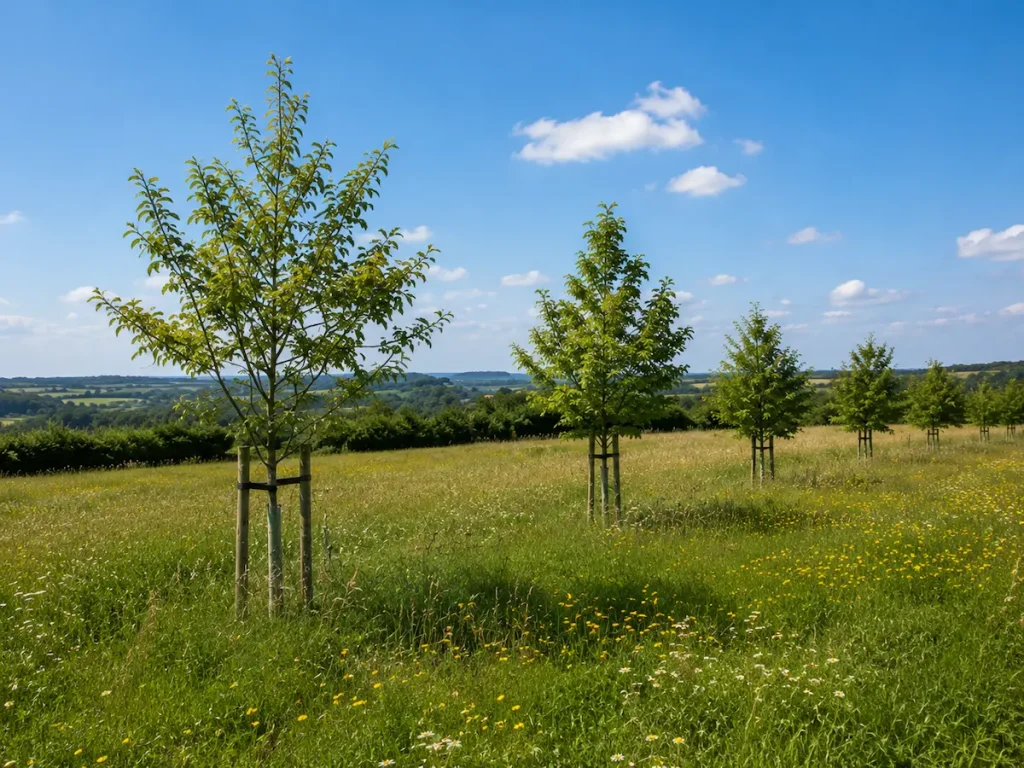
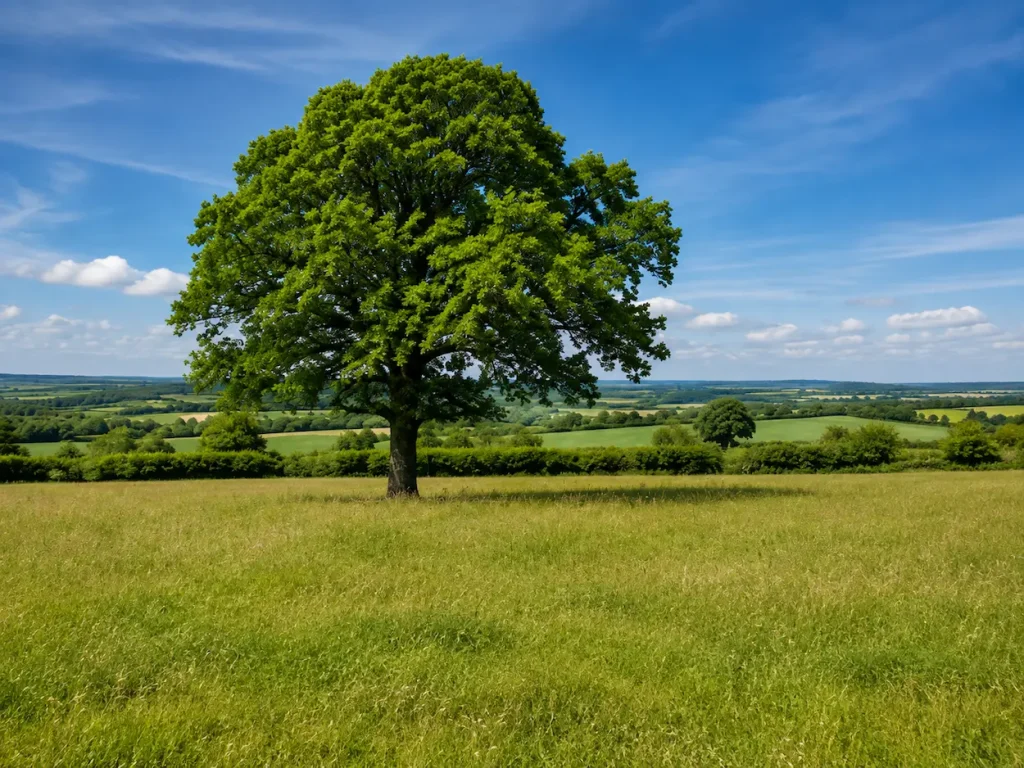
The tree’s calculated area, habitat type and condition are then used to establish its biodiversity value. For new tree planting, the metric also accounts for the time required for the tree to mature and the risk that it may not establish successfully.
This is why removing one tree does not necessarily create a requirement for one replacement tree. The assessment is based on habitat value rather than a simple numerical exchange.
Habitat type
What is present or being created
Condition
The ecological quality achieved
Area
The extent of the habitat parcel
Location
How spatial rules affect allocation
CREATION AND MANAGEMENT
How Individual Tree Units are Created and Managed
Delivering Individual Tree units involves establishing trees that can grow into healthy, long-lived habitat features. Planting is only the first stage.
The process begins by selecting species and planting locations suited to the soil, drainage, exposure and surrounding landscape. Space is equally important. A tree needs enough room above and below ground to develop its canopy and root system without being repeatedly cut back or restricted by nearby structures.
Establishment may include:
• preparing the planting area and soil;
• selecting locally appropriate species and planting stock;
• protecting trees from livestock, deer or accidental damage;
• providing appropriate support during early growth;
• managing competing vegetation around the base;
• watering during establishment where conditions require it;
• replacing trees that fail to establish.
The early years are especially important. Poor planting, drought, damaged roots or unsuitable ground conditions can prevent a tree from reaching the size and condition used in the Biodiversity Metric calculation.
As the trees mature, management shifts from establishment to long-term habitat development. This includes monitoring tree health and stability while allowing valuable natural features to form. Cavities, textured bark, deadwood and small areas of decay can provide habitat for birds, bats, fungi and invertebrates, so they are not automatically removed where they can be retained safely.
Ecological and arboricultural oversight helps balance habitat value with responsible tree care. Any intervention is guided by the condition of the tree and its long-term target, rather than by a routine programme of unnecessary pruning.
This long-term work is what supports the value represented by the units. The purchaser is not simply funding the planting of a tree, but its establishment, protection, monitoring and development into a functioning habitat feature over the legally secured period.
Establish
Prepare and develop the required plant community.
Manage
Apply planned cutting, grazing and vegetation control.
Monitor
Record condition and progress against habitat objectives.
Adapt
Adjust management where monitoring identifies a need.
LONG-TERM DELIVERY
Long-Term Habitat Delivery
Each unit is backed by habitat on land owned and managed by BNG Solutions UK. We remain responsible for the conservation covenant, ecological oversight, ongoing management and monitoring required to deliver the habitat for at least 30 years.
These responsibilities, and the associated long-term costs, remain with us.
THE PURCHASE PROCESS
From Metric Review to Completed Allocation
Send your metric
Provide the development location and unit requirement.
Suitability review
Habitat type, spatial rules and availability are checked.
Confirm allocation
Pricing, documentation and allocation details are agreed.
Complete and register
The units are allocated to the development and DEFRA registered.
What We Need to Confirm Your Allocation
To carry out an initial review, we will usually need your completed Biodiversity Metric, development postcode and the number of Individual Tree units identified. Where available, you can also send your Biodiversity Gain Plan and any relevant planning correspondence.
Individual Tree BNG Units FAQs
Individual tree BNG units are off-site area habitat units generated through the creation or enhancement of habitat recorded under the Individual trees broad habitat type in the Statutory Biodiversity Metric. They can be allocated to a development where the metric identifies a compatible area-habitat shortfall that cannot be met entirely on-site. Individual trees may be classified as urban or rural within the metric.
Yes. Medium individual tree BNG units are currently available through BNG Solutions UK, subject to the number of units required, the development location and compatibility with the completed Biodiversity Metric. Availability and suitability are checked before a purchase or allocation is agreed.
A medium individual tree is a metric size classification based on trunk diameter at breast height, commonly referred to as DBH. A tree is classed as medium where its DBH is greater than 30cm and no more than 60cm. The metric assigns this size class an area equivalent of 0.0163 hectares for each tree entered into its Tree Helper.
No. One biodiversity unit does not represent one physical tree. The Statutory Biodiversity Metric uses its Tree Helper to convert the number, size class and condition of individual trees into an area value. That area then contributes to the biodiversity-unit calculation, so the number of trees supporting an allocation will not necessarily match the number of units purchased.
As checked against published government guidelines updated June 2026.
Send us your completed Biodiversity Metric and development location. We will review the recorded habitat losses, required unit type, tree classification, trading rules and spatial factors before confirming whether individual tree BNG units are suitable and how many units need to be allocated.
No. Individual tree units cannot automatically compensate for every tree or habitat loss. Suitability depends on how the affected trees and habitats have been recorded in the Biodiversity Metric and whether the proposed allocation complies with its trading rules. Individual tree units are area habitat units and cannot be converted into hedgerow or watercourse units. Woodland, hedgerows and individual trees are also recorded as separate habitat types within the metric.
Medium individual tree BNG units are currently available from £25,440 per biodiversity unit. The final cost depends on the number of units required. Fixed administration, registration and allocation costs are quoted inclusively of final costs.
Yes. Individual tree BNG units can be purchased in increments of 0.01 units, allowing the allocation to be matched closely to the shortfall shown in the Biodiversity Metric.
Yes. The development location must be reviewed alongside the location of the off-site biodiversity gain site before the final requirement can be confirmed. Spatial factors within the Statutory Biodiversity Metric can affect the number of off-site units needed to satisfy the development’s calculated shortfall.
The purchase provides the agreed number of individual tree BNG units for allocation to your development. We also support the allocation agreement, registration requirements and the information needed to evidence the off-site provision within the Biodiversity Gain Plan. Any fixed administration and allocation charges will be identified clearly in the quotation.
BNG Solutions UK remains responsible for the ecological delivery, management and monitoring of the trees in accordance with the habitat management plan and legal agreement. This includes the ongoing work and any appropriate remedial action needed to keep the habitat progressing towards its agreed condition. The purchaser does not become responsible for maintaining or monitoring the trees.
The off-site habitat will be legally secured and managed for a minimum of 30 years.
We review the completed metric, development location and individual tree unit requirement to determine whether the available units are suitable. Please also provide the development address, local planning authority, planning reference and any relevant submission deadlines where available.
If the units are compatible, we will confirm availability, the number required, the unit cost and any fixed charges before progressing to purchase and formal allocation.
START WITH YOUR BIODIVERSITY METRIC
Check whether Individual Tree units are right for your development
Send the metric, development location and required number of units. Our team can review suitability and confirm current availability before you commit.